Visibility guide for South Minneapolis / Minnehaha
Intersections to watch, local backdrops, and clothing colors that stand out in low light.
Intersections to watch
Most concerning intersections in South Minneapolis / Minnehaha, based on crash history and other road risk factors.
- East Lake Street & Cedar Avenue Southfatal crash history nearbyhigher speed roadunsignalized crossing
- East 28th Street & South 21st Avenueunsignalized crossingno bike facilitymultiple lanes
- East 28th Street & 20th Avenue Southunsignalized crossingno bike facilityhigher speed road
- East 35th Street & Cedar Avenue Southfatal crash history nearbyhigher speed roadunsignalized crossing
- East 46th Street & 46th Avenue Southunsignalized crossingno bike facilityhigher speed road
Colors to wear
These colors tend to stand out best against the local street background.
If you own high-vis gear
High-vis gear still performs best overall here. If you own it, start with the top options below.
Only have dark clothing?
- Add reflective details at ankles, wrists, or other moving points.
- Add a lighter outer layer if you have one.
- Use lights as well if you are biking or moving near traffic in low light.
How colors compare
These percentages show how each regular clothing color compares with the average high-vis option in local street scenes.
Rows are ordered by how close each color gets to the average high-vis benchmark.
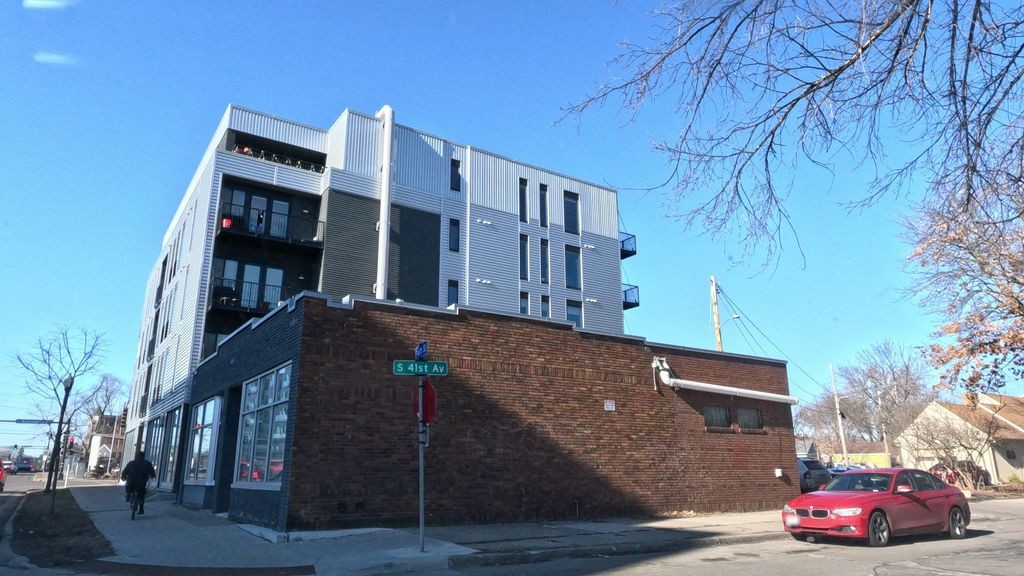
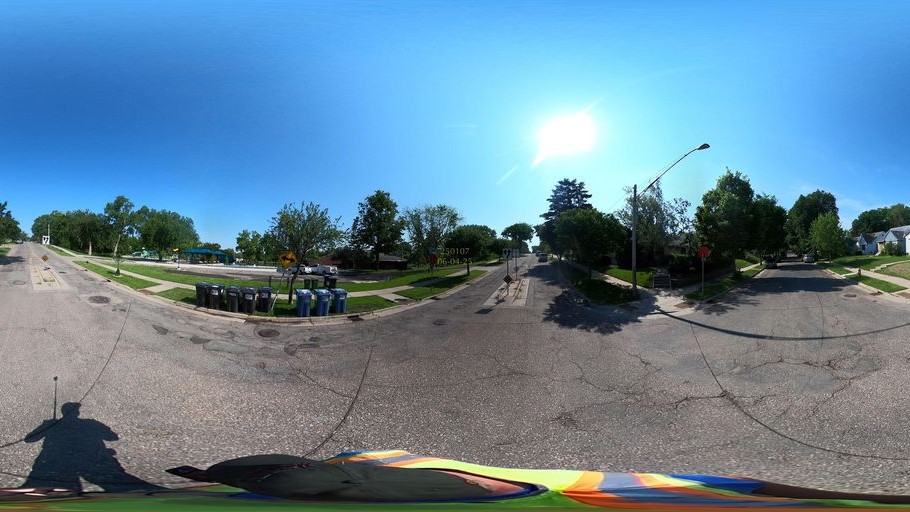
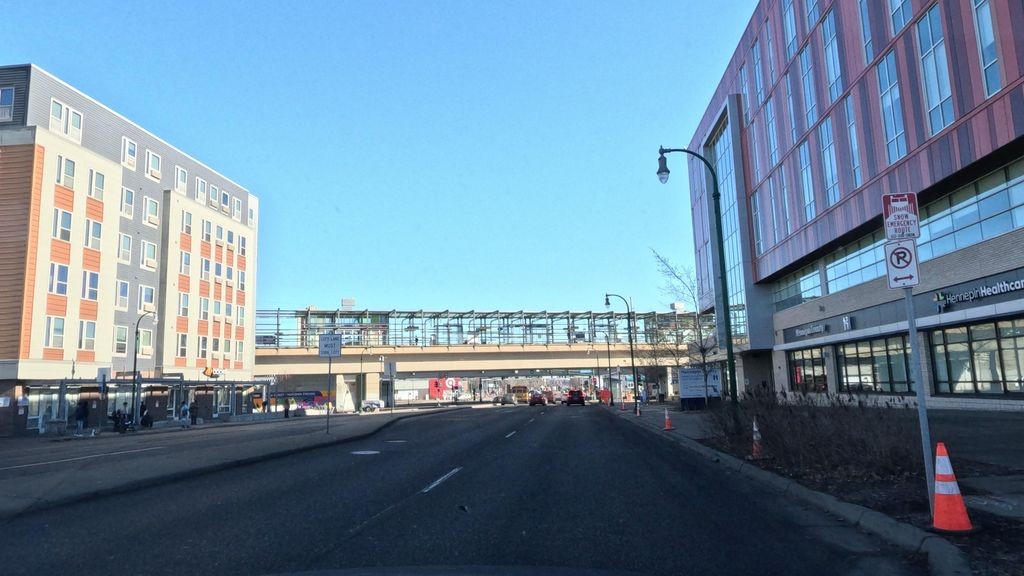
Local backdrop
Local backdrop elements
Why this works
In South Minneapolis / Minnehaha low light conditions, orange comes closest to high-visibility performance from a normal closet, while bright white and fluorescent yellow still lead the true high-visibility benchmark.
Common questions
What color is most visible in South Minneapolis / Minnehaha low light?
Orange is the strongest regular clothing color in this local street-scene comparison.
What colors should I avoid here?
Dark Gray, Light Blue, Olive are harder to distinguish against the sampled local backdrops.
Is this a safety guarantee?
This guidance is based on local street-scene analysis and general visibility principles. It is not a prediction of crash risk or a guarantee of safety.
Why local results differ
- Brick, vegetation, glass, painted surfaces, asphalt, sky, and shade can change which clothing colors separate from the background.
- Daytime pages weigh color contrast against the local backdrop; low-light pages are more conservative and emphasize brightness, reflectivity, and lights.
- Routes with tunnels, tree cover, rain, dusk, or heavy traffic can differ from the average local image sample.